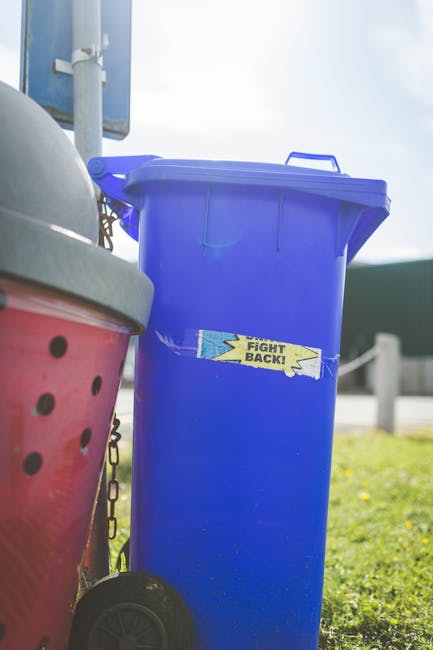
Teddington High Street Rubbish Collection Guide for Residents
If you live near Teddington High Street, rubbish can become a bit of a juggling act. Flats with limited storage, busy pavements, tight access, parking pressure, and the usual weekly household waste all add up. This Teddington High Street rubbish collection guide for residents is here to make the process clearer, calmer, and far less annoying than the last-minute bin shuffle before collection day.
Whether you are clearing out a flat, dealing with bulky items, or trying to work out the smartest way to get rid of garden waste, this guide breaks down the practical options in plain English. You will find what rubbish collection usually involves, how to plan around access issues, when a skip makes sense, and where residents often trip up. Truth be told, a little planning saves a lot of stress.
For residents who want a more flexible waste solution than standard bin collection, services such as domestic skip hire or rubbish removal can be especially useful when the job is too much for a few black sacks and a hopeful smile.
Expert summary: The best rubbish collection plan for Teddington High Street depends on access, waste type, timing, and volume. Small clear-outs can often be handled quickly, while larger or mixed loads may be better suited to a skip, wait-and-load service, or specialist removal.
Why Teddington High Street Rubbish Collection Guide for Residents Matters
High street living changes the way rubbish needs to be handled. You are not just thinking about what goes out of the front door; you are thinking about neighbours, kerbside space, foot traffic, delivery bays, and whether the item can actually be lifted without blocking half the road. On Teddington High Street, that matters more than people expect.
For residents, poor waste planning can lead to mess, inconvenience, and sometimes avoidable costs. Bags left out too early can rip. Bulky items abandoned by the kerb can look untidy within minutes. And if you are trying to clear a property after a move, refurbishment, or a long-overdue declutter, the job can balloon quickly.
That is why a sensible rubbish collection guide is useful. It helps you match the type of waste to the right method, instead of trying to force every job into the same box. Some loads are ideal for a quick collection. Others need a van, a skip, or a same-day solution. The trick is knowing which is which before you start lifting heavy things at 8am on a Saturday. Not exactly fun.
If you are unsure where your waste fits, it helps to check what can go in a skip before you book anything. A five-minute read now can save a phone call later when you realise that old sofa, broken wardrobe, and bag of DIY rubble do not all belong in the same pile.
How Teddington High Street Rubbish Collection Guide for Residents Works
In practical terms, rubbish collection for residents is about matching waste type, quantity, and access to the most efficient removal method. There is no single perfect setup. Instead, you choose the one that fits the job and the street conditions.
Most residents fall into one of these scenarios:
- Routine household clear-outs: bin bags, packaging, broken small items, and mixed household clutter.
- Bulky item disposal: mattresses, sofas, fridges, wardrobes, and other awkward items.
- DIY or renovation waste: plasterboard, timber, tiles, soil, and rubble.
- Garden waste: branches, grass cuttings, hedge trimmings, and old fencing.
- Fast or time-sensitive clearance: end-of-tenancy jobs, same-week moves, or a property that needs to be emptied quickly.
Depending on the load, residents often choose between a few options: a standard skip, a wait-and-load service, man and van collection, or specialist disposal for items like appliances and furniture. For larger domestic clearances, house clearance can be a practical route when the aim is to remove a lot of mixed household waste in one go.
Access is often the deciding factor. If there is no easy place to keep a skip, or if parking on the high street is limited, then wait and load skip hire can work well because the vehicle arrives, the waste is loaded quickly, and the collection leaves with no skip sitting outside. Simple. Less fuss.
For residents who need a fast turnaround, same day skip hire may be worth exploring where available, especially if you are dealing with an unexpected clear-out or post-renovation mess that simply cannot wait until next week.
Key Benefits and Practical Advantages
There are clear advantages to planning rubbish collection properly on Teddington High Street. The biggest one is obvious: you get the waste gone. But the real benefit is how much smoother the whole process feels when you choose the right method from the start.
- Less clutter at home: your hallway, garden, or spare room stops turning into a holding pen for unwanted stuff.
- Better access management: you avoid blocking pavements or leaving bags where they become a nuisance.
- Faster clear-outs: the right service can remove more in one visit than a patchwork of trips to disposal points.
- Cleaner handling of bulky items: no dragging a sofa down stairs hoping it survives the journey.
- More predictable outcome: you know what is being collected, when, and how.
- Improved recycling potential: sorting waste properly helps more materials go to recycling routes where possible.
There is also a quieter benefit: peace of mind. When you know the waste is being dealt with by a legitimate, responsible operator, you spend less time worrying about fly-tipping, poor disposal, or whether the rubbish will just sit there in the rain. That last bit happens more often than people admit.
For residents who value clear pricing and planning, skip sizes and prices is a useful place to understand how capacity affects the job. Choosing too small a option usually means delays. Choosing too large can mean paying for space you never use. A balanced decision is usually best.
Who This Is For and When It Makes Sense
This guide is for anyone living on or near Teddington High Street who needs to remove more waste than the usual bin system comfortably handles. That could be a flat owner, tenant, landlord, family homeowner, or someone managing a property between occupants.
It especially makes sense if you are in one of these situations:
- you are clearing out a spare room, loft, garage, or garden shed
- you have just finished a renovation and need to deal with leftover materials
- you are replacing furniture or appliances and want the old items gone quickly
- you are moving out and need to remove accumulated clutter
- you run a small business from home and need a tidy, short-notice clearance
- you need a discreet solution for sensitive paper waste or documents
Residents often underestimate how much waste builds up during everyday life. One wardrobe door, a broken chair, a few bags of packaging, then suddenly you are looking at a pile that will not fit neatly into one bin collection. It happens. More than you think, actually.
For smaller domestic jobs, man and van collections can be a practical middle ground. For larger or messier work, especially where the waste is mixed and heavy, a dedicated skip hire solution may be better.
Step-by-Step Guidance
If you want the process to go smoothly, work through it in a sensible order. The goal is not to rush. The goal is to avoid redoing the job because the first plan was a bit too optimistic.
- Identify the waste type. Separate general household rubbish, bulky items, garden waste, DIY waste, and anything that may need specialist handling.
- Estimate the volume. Count bags, measure larger items, and think in terms of how much floor space the waste will take up. A few bags is one thing; a loaded hallway is another.
- Check access. Is there room for a skip? Can a van stop nearby without causing trouble? Are there stairways, narrow gates, or limited loading space?
- Choose the right service. Domestic skip hire, wait-and-load, rubbish removal, or specialist disposal can all be sensible depending on the job.
- Confirm restricted items. Hazardous waste, electricals, fridges, and certain other materials may need separate handling. Better to know in advance.
- Prepare the waste properly. Keep heavy items manageable, bundle loose material where possible, and do not overfill containers or bags.
- Book the collection. Choose a time that fits your access, parking, and neighbour considerations.
- Keep the area clear. Make sure doors, pathways, and loading points are easy to reach on the day.
- Ask where the waste goes. A responsible operator should be able to explain the disposal route and recycling approach in simple terms.
If you are dealing with a renovation or trade-style clearance, you may want to read about builders waste removal or construction waste disposal. Those services are designed for heavier loads and tend to suit mixed rubble, timber, packaging, and similar site waste.
For ongoing or larger commercial-style needs, commercial skip hire can provide a steadier arrangement. But for most residents, the decision is still very much about convenience and access.
Expert Tips for Better Results
Here are the tips that tend to make the biggest difference in the real world. Nothing flashy, just the kind of advice that saves time and avoids headaches.
- Sort before you book. A mixed pile that includes furniture, rubble, old paint, and garden cuttings may need more than one disposal method.
- Think about timing. Early morning collections often help on busier streets, especially where parking disappears quickly.
- Measure awkward items. A sofa looks manageable until you try turning it through a narrow stairwell. Then it becomes a whole event.
- Use the right protection. Gloves, sturdy shoes, and a clear route can prevent a lot of minor injuries and scrapes.
- Do not assume all waste can be mixed. Some items need separate disposal for safety or environmental reasons.
- Plan for weather. A wet bag, damp cardboard pile, or rain-soaked load can weigh more than you expect.
- Keep neighbours in mind. A considerate collection is usually a smoother collection.
One useful habit is to ask yourself a very simple question before every clear-out: would I be happy if this was sitting outside my own front door for an hour? That usually clarifies whether the plan is tidy enough. Slightly blunt, perhaps, but effective.
When in doubt, use a service that matches the material rather than forcing a one-size-fits-all approach. For example, garden waste removal is a better fit than a general collection for branches, grass, and hedge cuttings, while fridge and appliance removal is safer for large white goods that need special handling.
Common Mistakes to Avoid
Most rubbish collection problems are avoidable. The mistakes are usually practical rather than dramatic, which is annoying because they feel easy to miss.
- Overestimating what will fit. A skip or van load can fill faster than expected, especially with broken furniture and bulky packaging.
- Ignoring access restrictions. A service that works brilliantly in a suburban driveway may be awkward on a busy high street.
- Mixing prohibited or specialist waste. This can slow the collection or create extra charges.
- Leaving waste outside too early. It can blow around, become untidy, or attract attention you do not want.
- Choosing a service on price alone. Cheap can be fine. Cheap and unsuitable is where things get messy.
- Forgetting bulky item dimensions. Big items often cause the most trouble, not because they are heavy, but because they are awkward.
One common scene: a resident clears a flat in a hurry, stacks boxes near the doorway, then realises the lift is too small for the sofa and the van cannot stop long enough. It is a bit of a comedy, except nobody is laughing at the time. Planning the route matters.
If your waste includes soft furnishings, you may find mattress and sofa disposal more appropriate than trying to fold everything into a general rubbish collection. It keeps the job simpler and safer.
Tools, Resources and Recommendations
You do not need a complicated toolkit to organise rubbish collection well, but a few practical tools make life easier.
- Heavy-duty bags or tubs: useful for loose household waste and smaller mixed items.
- Measuring tape: ideal for checking furniture, access points, and skip space.
- Work gloves: basic, but worth it.
- Marker labels: handy if you are separating items for different disposal methods.
- Phone camera: useful for photographing waste piles before you request a quote.
On the service side, a few pages are worth considering depending on your situation. For example, skip sizes and prices helps you compare capacity and budget, while skip hire permits and skip permits are useful if your skip will sit on a public road rather than private land.
For clearer disposal standards and responsible handling, waste recycling services and recycling and sustainability are helpful pages to understand how a professional operator may sort and divert materials.
And if the job is a little more unusual, there are specialist options too. Confidential shredding suits sensitive paperwork, while garage and loft clearance is useful when the job is more about reclaiming space than moving one specific item. Different jobs, different tools. Obvious, maybe, but worth saying.
Law, Compliance, Standards, or Best Practice
Waste disposal in the UK should always be approached carefully and responsibly. Residents do not need to memorise every rule, but they do need to make sure their waste is transferred to a legitimate carrier and handled in a lawful way. That is the big picture.
Best practice usually includes:
- using a reputable waste carrier
- separating hazardous or restricted materials where required
- avoiding fly-tipping or leaving waste in public places
- checking whether a permit is needed for roadside placement
- keeping the waste as cleanly sorted as possible for recycling
For residents near Teddington High Street, access and public space are especially relevant. If a skip needs to sit on a road or verge, the permit question matters. If the area is tight, a managed collection may be the safer choice. In busy streets, small mistakes can turn into issues quickly. Better to check first than apologise later.
It is also sensible to use providers that publish clear policies on topics such as health and safety, insurance and safety, payment and security, and terms and conditions. Those pages do not just tick boxes; they help you understand what to expect before, during, and after the collection.
For anything that may be hazardous, such as paint, chemicals, asbestos-like materials, or other specialist waste, use hazardous waste disposal rather than guessing. Guessing is not a strategy, despite how often people try it on a Sunday afternoon.
Options, Methods, or Comparison Table
Choosing the right waste removal method is often the difference between a smooth tidy-up and a frustrating one. Here is a simple comparison for residents on and around Teddington High Street.
| Method | Best for | Main advantage | Possible downside |
|---|---|---|---|
| Domestic skip hire | Mixed household waste, decluttering, renovations | High capacity, convenient for larger jobs | Needs space and may need a permit |
| Wait and load | Short jobs, no long-term roadside placement | No skip left behind, good for tight streets | Needs waste ready to load quickly |
| Man and van | Bulky items, smaller clearances, mixed loads | Flexible and often fast | May suit less waste than a skip |
| Specialist item disposal | Sofas, mattresses, fridges, appliances | Safe handling for awkward items | Not ideal for large mixed clear-outs |
| Grab lorry hire | Heavy waste, rubble, soil, site-style loads | Excellent for bulky heavy material | Needs enough access for the vehicle |
If you are dealing with heavier materials after a garden overhaul, extension, or landscaping project, grab hire services may be a smarter fit than a standard resident clear-out. For loose soil or earth, muck away services are designed for that kind of load.
And if you want something that keeps waste secure on-site, especially where privacy or weather protection matters, enclosed and lockable skip hire can be worth a look. A bit niche, yes, but sometimes exactly right.
Case Study or Real-World Example
Picture a resident in a first-floor flat just off Teddington High Street. They have been living with a half-finished declutter for weeks: an old chest of drawers, broken shelves, cardboard from a recent move, a few bags of household waste, and a mattress that has been leaning in the hallway like it pays rent.
At first, they think a few trips to the local tip will solve it. Then they remember the limited car space, the lift that is never quite big enough, and the fact that they would rather not spend two mornings dragging furniture around in drizzle. Classic.
After checking access, they decide on a smaller-scale collection rather than a full skip. The mixed load is photographed, the bulky pieces are separated from the general waste, and the collection is booked for a time when the street is quieter. The result is tidy, efficient, and far less stressful than trying to do everything in bits and pieces.
That sort of example comes up all the time in residential areas. The winning move is not always the biggest vehicle or the biggest skip. Sometimes it is just the right solution for a tight street, awkward stairs, and a normal human schedule.
Practical Checklist
Use this quick checklist before arranging rubbish collection on or near Teddington High Street.
- Have I sorted the waste by type?
- Do I know whether any items need special disposal?
- Have I checked access for a skip or collection vehicle?
- Do I need a permit or a roadside placement plan?
- Have I measured bulky items like sofas, beds, or wardrobes?
- Is my waste ready to load on the agreed day?
- Have I considered a wait-and-load option if parking is tight?
- Do I know roughly how much waste I have?
- Have I read the terms and understood any restrictions?
- Have I chosen the most sensible disposal method, not just the quickest sounding one?
If you can tick most of those off, you are already ahead of the game. Seriously, that is often the difference between a messy afternoon and a clean finish.
Get a free quote today and see how much you can save.
Conclusion
Rubbish collection on Teddington High Street is not just about getting rid of waste. It is about choosing the right method for a busy local environment, respecting access and parking realities, and making sure the job is done cleanly and responsibly. Once you break it down that way, the process becomes much less daunting.
For many residents, the best approach will be a simple domestic collection or a small skip. For others, especially where the street is tight or the load is bulky, wait-and-load or specialist removal will make more sense. There is no one-size-fits-all answer, and that is perfectly fine.
What matters most is that the waste leaves your space safely, legally, and without creating problems for anyone else. When that happens, the whole property feels lighter. A bit quieter too. And that is a good feeling, honestly.
Frequently Asked Questions
What is the best rubbish collection option for residents on Teddington High Street?
The best option depends on the amount and type of waste, plus access. Smaller clear-outs may suit man and van collections, while larger domestic jobs often work better with skip hire or wait-and-load.
Do I need a permit for a skip on Teddington High Street?
If a skip needs to go on a public road or other council-controlled space, a permit may be required. If it stays on private land, the permit question may not apply, but it is still wise to check before booking.
Is wait and load better than skip hire for a busy street?
Often, yes. If parking is limited or you do not want a skip sitting outside for days, wait and load can be a very practical choice because the waste is loaded quickly and the vehicle leaves.
Can I put furniture and household rubbish in the same collection?
Usually, yes, if the service accepts mixed domestic waste. Sofas, chairs, boxes, and bagged rubbish can often go together, but restricted items should be checked separately.
What should I do with a mattress or old sofa?
Use a specialist disposal route where possible. mattress and sofa disposal is a sensible option for bulky furnishings that are awkward to move and may not be ideal for standard waste streams.
Are fridges and appliances collected separately?
Yes, they often should be. Fridges, freezers, washing machines, and similar items may need separate handling because of their size and material content. fridge and appliance removal is the safer route.
How do I know which skip size I need?
Start by estimating the volume of waste and looking at the kind of material involved. skip sizes and prices can help you compare capacity against the scale of the job.
What if I only have a small amount of rubbish?
If the load is modest, a small collection or man and van service may be more cost-effective than hiring a full skip. It is worth matching the service to the actual amount of waste, not the amount you think you might create later.
Can I dispose of hazardous waste with household rubbish?
No, it should be handled separately. Hazardous materials need specialist care, and hazardous waste disposal is the appropriate route for that kind of item.
Is rubbish collection useful for garden clearances too?
Absolutely. Hedge cuttings, grass, branches, and old garden materials can build up quickly. garden waste removal is often the neatest way to deal with it.
How can I make collection day go more smoothly?
Sort the waste first, keep access clear, measure bulky items, and have everything ready before the collection arrives. A little prep goes a long way, especially on a busy high street.
What should I check before booking a waste collection service?
Check what items are accepted, whether a permit is needed, how access will work, and whether the provider has clear policies on safety, payment, and disposal. It is a small bit of homework that pays off.
Where can I find more detail about responsible disposal and recycling?
Pages like waste recycling services and recycling and sustainability are helpful for understanding how waste can be handled more responsibly.
What if I need help choosing the right service?
If you are not sure whether you need a skip, man and van, grab hire, or specialist collection, it is usually best to talk through the waste type and access first. A proper recommendation is better than guessing and hoping for the best.
For residents who want a straightforward next step, you can also review the booking and pricing information on book online and pricing and quotes before making a decision.
If you want the job handled with less hassle and more certainty, the right waste plan can make a surprising difference. A tidy street, a clear hallway, and one less thing on your mind - that counts for a lot.