Health and Safety Policy for Skip Hire Teddington
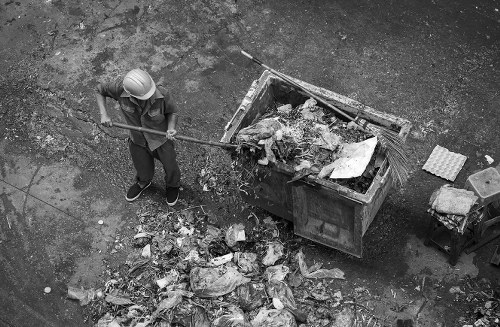 This Health and Safety Policy sets out the commitment of Skip Hire Teddington to provide a safe working environment for staff, contractors and the public whilst delivering professional skip hire and rubbish removal services across our service area. The policy applies to all operations, including skip delivery and collection, on-site rubbish transfer, and the management of waste from domestic and commercial customers. Our aim is to minimise risks associated with skip hire, rubbish collection, and site operations through clear responsibilities, risk control and continuous improvement.
All employees and authorised subcontractors must follow this policy and the accompanying operational procedures. Management will ensure adequate resources are available to implement safety measures and provide training. We emphasise that safety is an integral part of everyday work, from vehicle loading and unloading to site segregation of waste types. The company expects everyone to take personal responsibility for health and safety and to report hazards without delay.
 The policy covers the following core areas: risk assessment, operational controls, personal protective equipment (PPE), vehicle and traffic management, manual handling, hazardous waste handling, emergency procedures, and monitoring. It aligns with relevant statutory duties and good practice for a local rubbish company operating a skip hire and rubbish removal service area, while avoiding detailed legal interpretation in this statement.
Responsibilities and Governance
Senior management holds overall responsibility for health and safety and will: ensure risk assessments are carried out; allocate competent persons to supervise operations; and promote a safety-first culture. Supervisors and team leaders are responsible for implementing controls, conducting toolbox talks and ensuring staff wear appropriate PPE when handling skips, loading waste or operating plant.
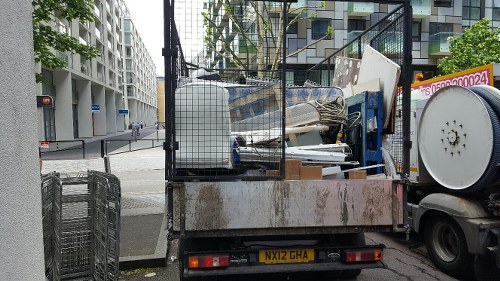 Employees and subcontractors must follow safe systems of work, use issued PPE correctly, and report incidents, near misses or unsafe conditions. Training will be provided for roles that include driving, operating loading equipment, manual handling of heavy items, and segregation of hazardous materials. Special attention is given to safe procedures for bulky waste removal and the handling of potentially hazardous contents.
We adopt a hierarchy of controls: eliminate hazards where possible; substitute risky procedures; introduce engineering controls such as wheel chocks and lifting aids; use administrative controls including traffic routing and exclusion zones; and supply PPE as a last resort. These steps reduce injuries related to skip lifting, falls, crushing and contact with hazardous substances.
Risk Assessment and Operational Controls
 Formal risk assessments will be undertaken for all routine activities and for non-routine tasks. Assessments identify hazards, evaluate risks and define control measures. Documented safe systems of work will be available for vehicle operations, site set-up, waste segregation and handling of regulated waste streams.
Vehicle and traffic management is critical for a skip hire and rubbish collection service. Policies include vehicle maintenance schedules, driver competency checks, loading limits, securement of loads, and clear procedures for reversing and working on public highways. We require banksman or spotter support in restricted areas and insist on high-visibility clothing during all roadside operations.
Manual handling controls include mechanical aids for heavy items, correct lifting techniques taught in training, and team lifting where necessary. Hazardous materials discovered in skips will be isolated and, if required, disposed of by authorised hazardous waste handlers in line with applicable regulations.
Emergency preparedness and incident response are maintained through clear procedures, regular drills and provision of first-aid equipment. All incidents and near misses are recorded, investigated and used to inform improvements. The company will cooperate with emergency services and regulators where necessary to manage significant events.
Monitoring and performance measurement include regular site inspections, audits, vehicle checks and review of incident statistics. Performance indicators, such as days without lost-time injury and completion of scheduled maintenance, are reviewed by management to ensure objectives are met.
 Training and competence development are fundamental. Induction covers safety expectations, waste segregation standards and vehicle operations. Ongoing training reinforces skills for rubbish collectors, drivers and yard staff, with refresher courses and targeted instruction for high-risk duties.
We will engage with employees through safety briefings and consultation, encouraging reporting and suggestions for improvement. Contractors and suppliers must demonstrate they meet our safety requirements before being authorised to work with us. This includes evidence of adequate insurance and safety management practices suitable for a regional rubbish company service area.
Periodic review of this policy ensures it remains relevant to operational changes and regulatory developments. Management commits to reviewing the policy at least annually or sooner if significant incidents, legislative changes or operational shifts occur.
Signed on behalf of the company: This policy represents the organisation's safety commitments and will be made available to employees and relevant stakeholders. It is designed to support safe skip hire, waste collection and rubbish removal activities across our service area while protecting the health and welfare of all those affected by our operations.